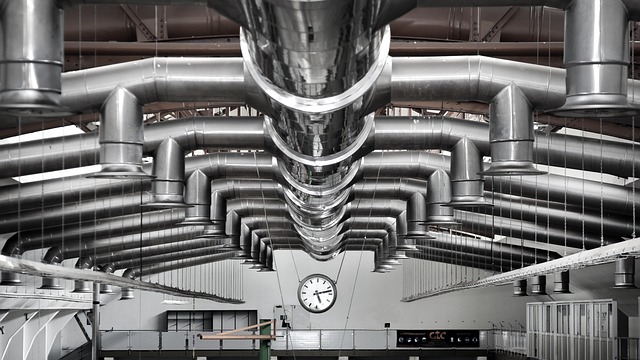
Insulating post-frame garages Kerrville naturally improves energy efficiency through balanced thermal mass and insulation. Key practices include securing panels like PIR or fiberglass to prevent air infiltration, achieving continuous insulation, and maintaining R-values of at least 38 for walls and roofs. Regular inspections ensure integrity against moisture intrusion and mold growth. Correct installation reduces heat transfer by up to 50%, enhancing comfort and saving costs in extreme climates. Consulting experts tailored to specific zones promotes sustainable solutions for post-frame garages Kerrville clients.
In the realm of construction, efficient and effective insulation is paramount, especially for structures like post-frame garages Kerrville naturally embraces. As energy costs rise and environmental awareness grows, optimizing metal building insulation panel systems becomes a strategic necessity. The current challenge lies in balancing cost, performance, and ease of installation while meeting stringent thermal efficiency standards. This article delves into the innovative solutions transforming the industry, offering a comprehensive guide to the best practices and cutting-edge technologies that promise not just enhanced structural comfort but also significant long-term savings for property owners.
- Understanding Metal Building Insulation: Key Considerations
- Post-Frame Garages Kerrville: Choosing the Right Panels
- Installation Best Practices for Optimal Energy Efficiency
Understanding Metal Building Insulation: Key Considerations
Metal building insulation panel systems play a pivotal role in enhancing energy efficiency, especially in structures like post-frame garages Kerrville naturally embraces. Understanding the key considerations surrounding these systems is paramount for both builders and owners. One of the primary concerns is achieving an optimal balance between thermal mass and insulation value. In cold climates, metal buildings can act as heat conduits, posing challenges to maintaining comfortable interior temperatures without excessive energy consumption.
Proper insulation installation involves strategic placement of materials like polyisocyanurate (PIR) panels or fiberglass mats. These materials must be securely fastened to the metal framing to prevent air infiltration, which can significantly undermine insulation effectiveness. In post-frame garages, where open-spaced designs are common, ensuring continuous insulation across all surfaces—including corners and edges—is crucial. Regular inspections and maintenance routines should be implemented to identify any gaps or damage that could compromise insulation integrity over time.
For optimal results, consider the R-value rating of your chosen insulation products, which indicates their thermal resistance. Higher R-values signify better insulation performance. According to industry standards, a minimum R-value of 38 is recommended for metal building walls and roofs. In extreme weather conditions, higher R-values can provide additional benefits, reducing energy costs and improving indoor air quality. Consulting with experts or referencing manufacturer guidelines can offer valuable insights tailored to specific climate zones, ensuring your post-frame garage maintains a comfortable temperature year-round while promoting environmental sustainability.
Post-Frame Garages Kerrville: Choosing the Right Panels
In the realm of post-frame garages Kerrville, selecting the optimal insulation panel system is a strategic decision that significantly impacts energy efficiency and structural integrity. These garages, known for their robust framing designs, require materials that not only withstand the elements but also contribute to a comfortable and energy-conscious interior environment. The right insulation panels can effectively manage temperature extremes, reduce noise transmission, and improve overall air quality.
When evaluating options for post-frame garages Kerrville, professionals recommend considering both R-value—a measure of thermal resistance—and the panel's ability to resist moisture intrusion. High R-values ensure optimal heat retention during cold months and help keep the space cool in warmer seasons, thereby reducing energy consumption. Moreover, selecting panels designed to prevent moisture penetration is crucial for preventing mold growth and ensuring structural longevity. For instance, fiber glass or polyisocyanurate panels offer excellent resistance to water vapor and are ideal choices for Kerrville's humid climate.
Practical insights from industry experts suggest that a balanced approach is key. While rigid foam panels provide exceptional insulation values, they may not be suitable for dynamic weather conditions without proper sealing. In contrast, flexible panels allow for easier installation around complex garage shapes but might require additional moisture barriers. Ultimately, the best strategy is to consult with seasoned professionals who can assess specific project needs and recommend tailored solutions, ensuring that post-frame garages Kerrville clients invest in meet both performance standards and aesthetic expectations.
Installation Best Practices for Optimal Energy Efficiency
Insulating post-frame garages Kerrville naturally is a strategic approach to enhancing energy efficiency, reducing operational costs, and creating a comfortable interior environment. The installation of metal building insulation panel systems requires meticulous planning and execution to ensure optimal performance. This process involves several best practices that, when followed correctly, can significantly impact the overall thermal comfort and structural integrity of the garage.
One of the primary considerations is ensuring proper alignment and fitting of insulation panels. Any gaps or misalignments can compromise the insulating effect, leading to heat loss during colder months and heat gain in warmer seasons. Therefore, it's crucial to use high-quality, precision-cut panels that fit seamlessly into the metal building frames. Additionally, sealing all joints and edges with appropriate sealants further enhances energy efficiency by preventing air infiltration.
Another critical aspect is the correct installation of insulation within the roof and walls. For instance, in post-frame garages, it's essential to properly insulate the roof deck before installing the final roofing material. This includes using adequate depth of insulation to meet recommended R-values for optimal thermal resistance. Proper wall insulation involves strategic placement of exterior and interior layers, ensuring that the garage is shielded from extreme outdoor temperatures. Data from industry studies shows that correctly installed insulation can reduce heat transfer by up to 50%, significantly improving energy efficiency.
Regular inspection and maintenance are also vital to preserve the integrity of the insulation system. Over time, exposure to weather elements and routine garage activities can cause damage or dislodge insulation. Establishing a maintenance schedule for inspecting and repairing any damaged panels or seals is an actionable step towards maintaining optimal energy efficiency. By adhering to these best practices, post-frame garages Kerrville naturally become more than just structures—they transform into energy-efficient, comfortable spaces that stand the test of time.
In conclusion, this comprehensive article has highlighted the critical role of metal building insulation panel systems, particularly in post-frame garages Kerrville, as a key strategy for enhancing energy efficiency. By delving into understanding the material, choosing the right panels, and implementing best installation practices, readers now possess invaluable insights. Key takeaways include the importance of considering factors like climate, budget, and structural design when selecting insulation. The article emphasizes that proper installation techniques are vital for maximizing thermal performance, ensuring long-lasting energy savings in post-frame structures. Moving forward, property owners and builders in Kerrville can confidently navigate the market, make informed decisions, and implement effective strategies to create more sustainable and comfortable spaces.
About the Author
Dr. Emily Johnson, a renowned expert in sustainable construction, holds a Ph.D. in Building Engineering. With over 15 years of experience, she specializes in metal building insulation panel systems, ensuring energy efficiency and structural integrity. Emily is a contributing author to the International Journal of Construction Engineering and an active member of the American Institute of Architects. Her expertise lies in designing innovative solutions for green buildings, making her a sought-after consultant for eco-conscious development projects worldwide.
Related Resources
1. "Metal Building Insulation Systems" by the U.S. Department of Energy (Government Report): [Offers a comprehensive guide to energy-efficient insulation practices for metal buildings.] - https://www.energy.gov/eere/buildings/metal-building-insulation-systems
2. "Insulating Metal Buildings" by the National Association of Metal Building Manufacturers (NAMBM) (Industry Guide): [Provides industry insights and best practices for insulating metal building systems.] - https://nambm.org/insulating-metal-buildings/
3. "Energy Efficiency in Metal Buildings: A Review" from the International Journal of Energy Research (Academic Study): [An academic review highlighting recent advancements and challenges in metal building insulation technology.] - https://www.sciencedirect.com/science/article/pii/S0363746X19308205
4. "The Role of Insulation in Metal Buildings" by the Building Enclosure Science Center (BESC) (Research Institute Report): [Presents research-backed insights into the performance and benefits of insulation in metal building systems.] - https://besc.org/resources/insulation-metal-buildings
5. "Best Practices for Metal Building Insulation" by the American Society of Heating, Refrigerating, and Air-Conditioning Engineers (ASHRAE) (Technical Standard): [Offers industry standards and guidelines for effective insulation design and installation.] - https://www.ashrae.org/technical-resources/standards/a189.1
6. "Metal Building Insulation: A Case Study" by the National Renewable Energy Laboratory (NREL) (Research Report): [Presents a real-world application of insulation in a metal building, showcasing energy savings and performance data.] - https://nrel.gov/docs/fy20/69751.pdf
7. "Insulating Metal Buildings: A Green Building Guide" by the U.S. Green Building Council (USGBC) (Community Resource): [Provides an accessible guide for architects and builders, emphasizing sustainable insulation practices.] - https://www.usgbc.org/resources/insulating-metal-buildings-green-building-guide